Practical guidance for developing leather goods in Italy
Clear explanations of materials, sampling, minimums, production and Made in Italy requirements—written for brands, retailers, distributors and buyers.
Italian leather, worn, made and understood
Editorial notes from Florence: how a bag lives with an outfit, and what brands need to know before it reaches production.
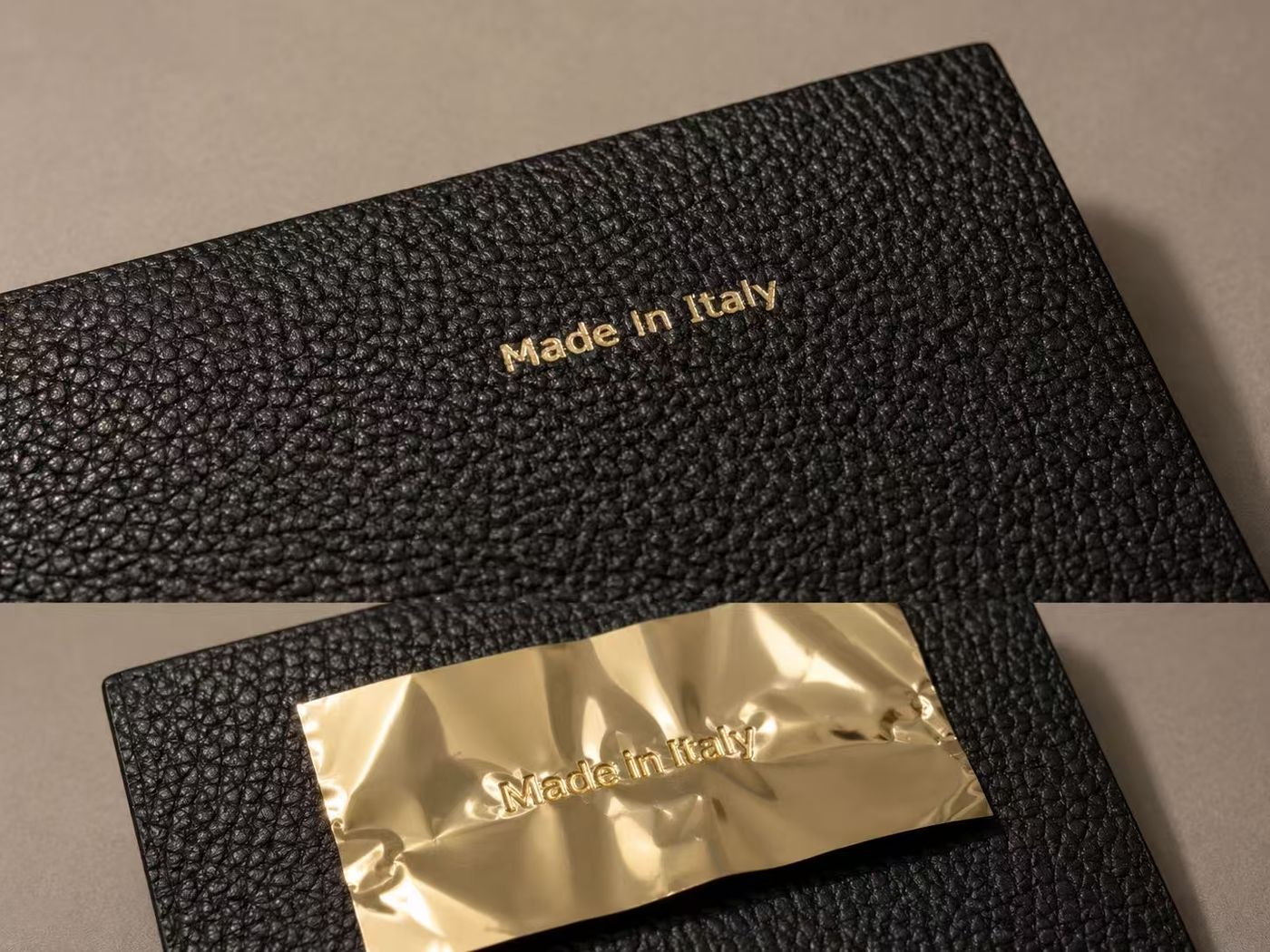
Made in Italy, by law
“Made in Italy” is partly a customs concept and partly a protected legal claim. Here is the difference, and what it means when you put a brand on an Italian-made bag.
Read article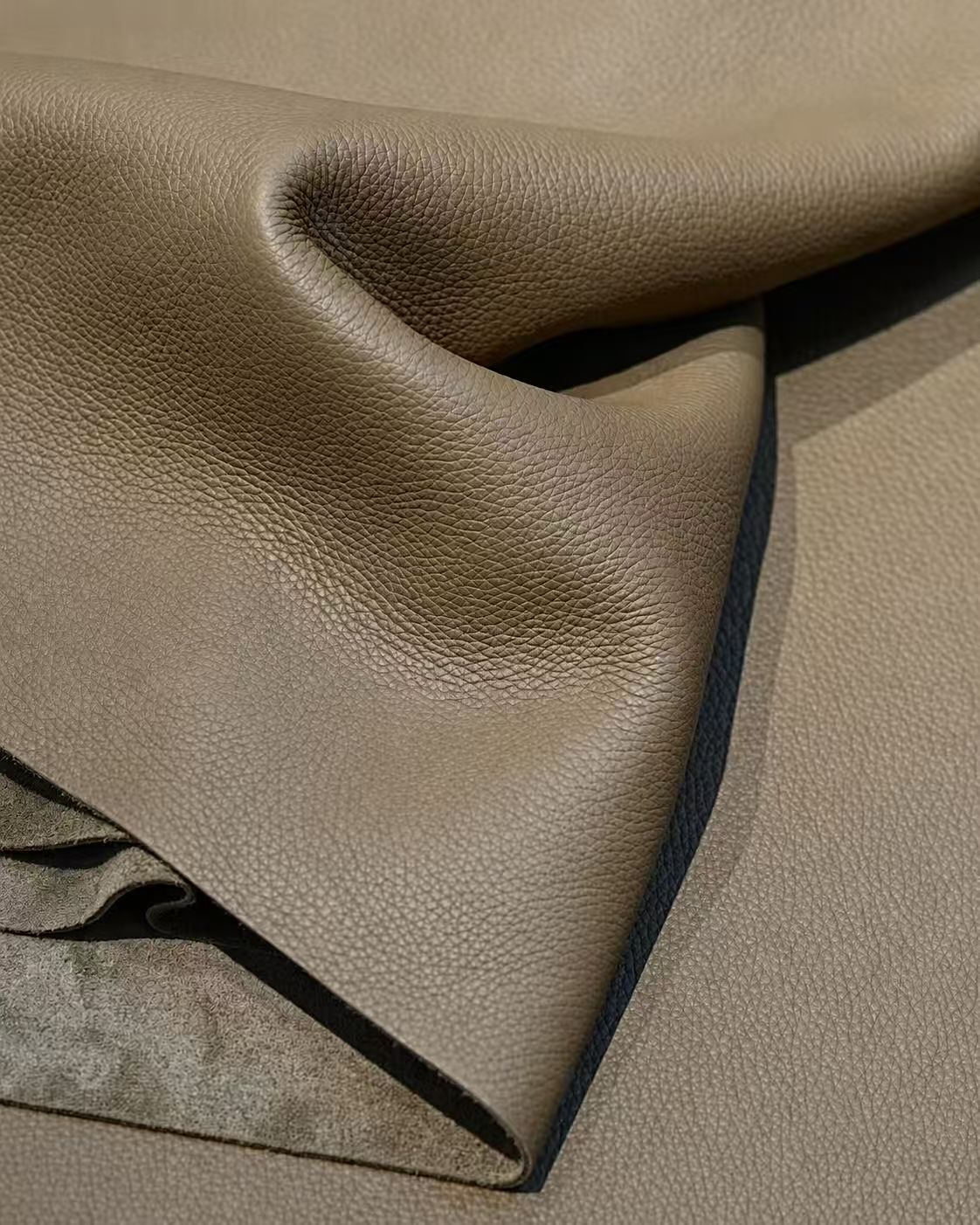
A buyer's guide to Italian leather
The vocabulary of leather is precise, and using it correctly changes both your product and your quote. A plain-language guide for brands specifying their first collection.
Read article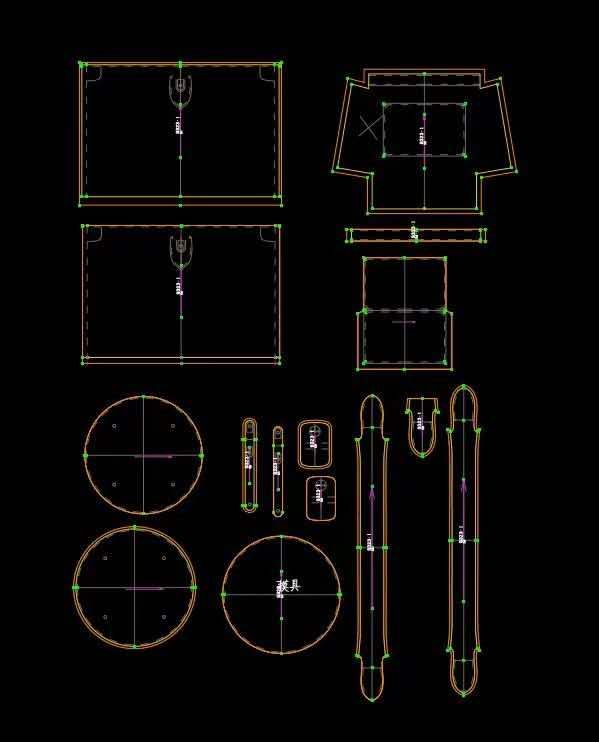
What a tech pack should contain
The technical information needed to assess an original handbag project before quotation and sampling.
Read article
Private label vs. white label vs. OEM
White label, private label, OEM, ODM — they describe who designs, who owns, and who can resell. Knowing which one you actually want changes your whole sourcing conversation.
Read article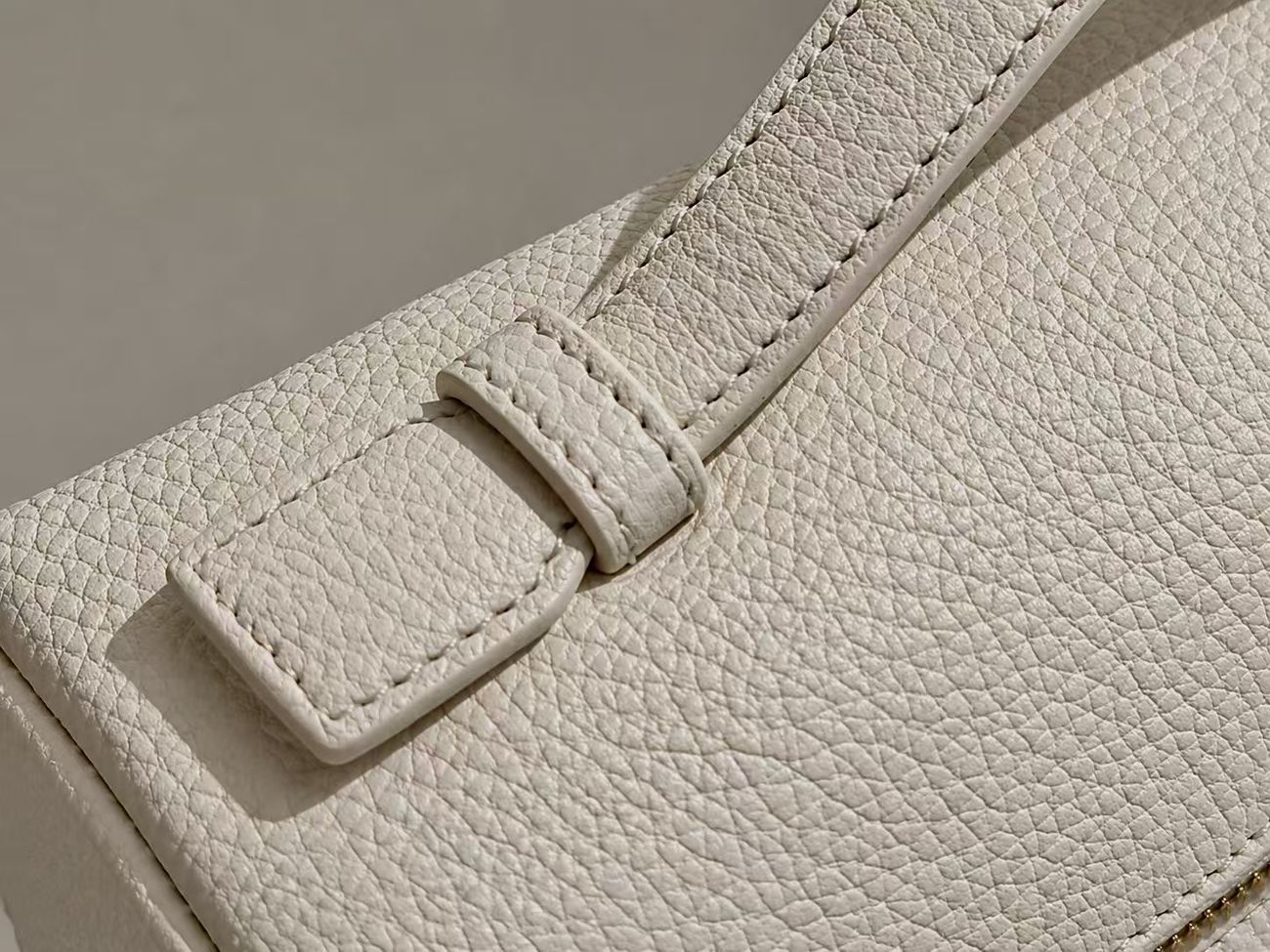
Edge painting: the invisible detail
You rarely notice a good edge — and always notice a bad one. A look at how leather edges are finished, and why it’s one of the clearest signals of quality.
Read article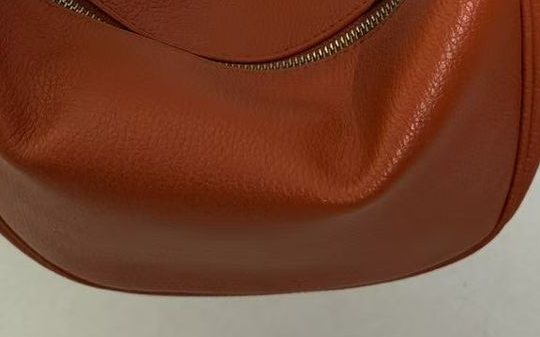
Vegetable tanning in Santa Croce
Most of Italy’s finest vegetable-tanned leather comes from one district along the Arno. A short look at why Santa Croce sull’Arno matters to your supply chain.
Read article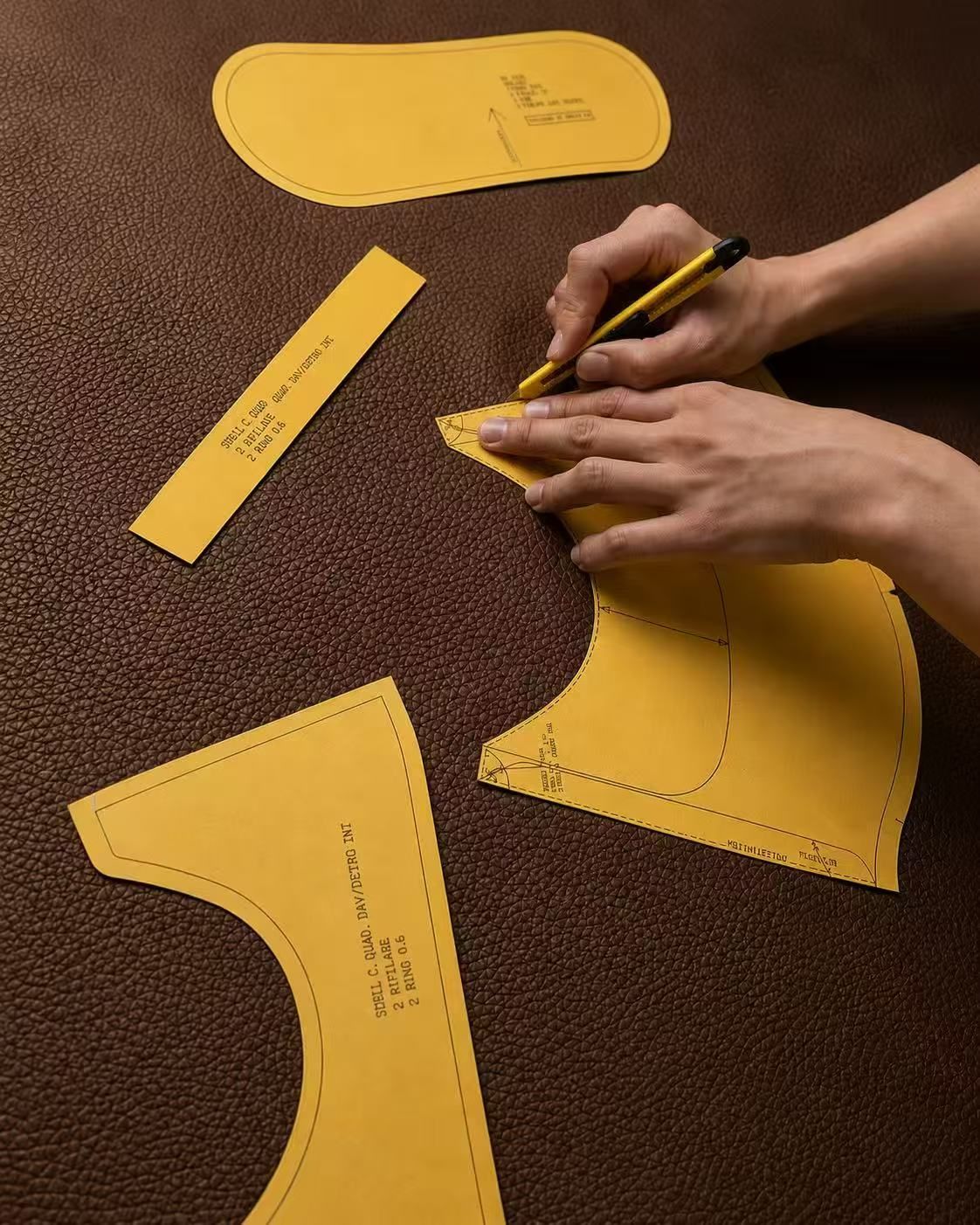
From a defined project to an approved sample
The assessment, agreed development scope and production preparation behind an original customer project.
Read article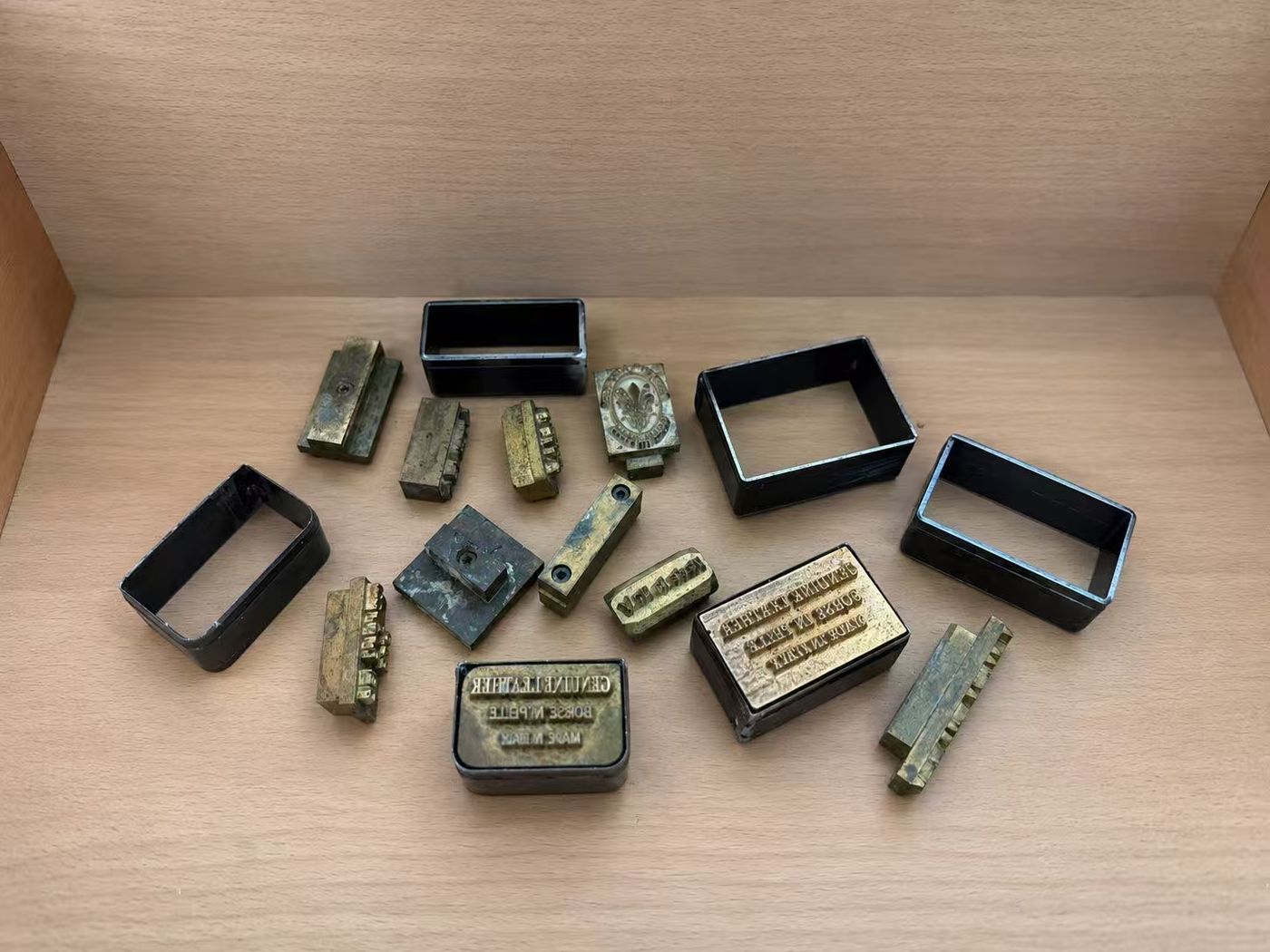
How MOQ works in Italian leather goods
Leather, colourways, hardware, components and setup all shape a realistic production quantity. Here is how to plan them together.
Read article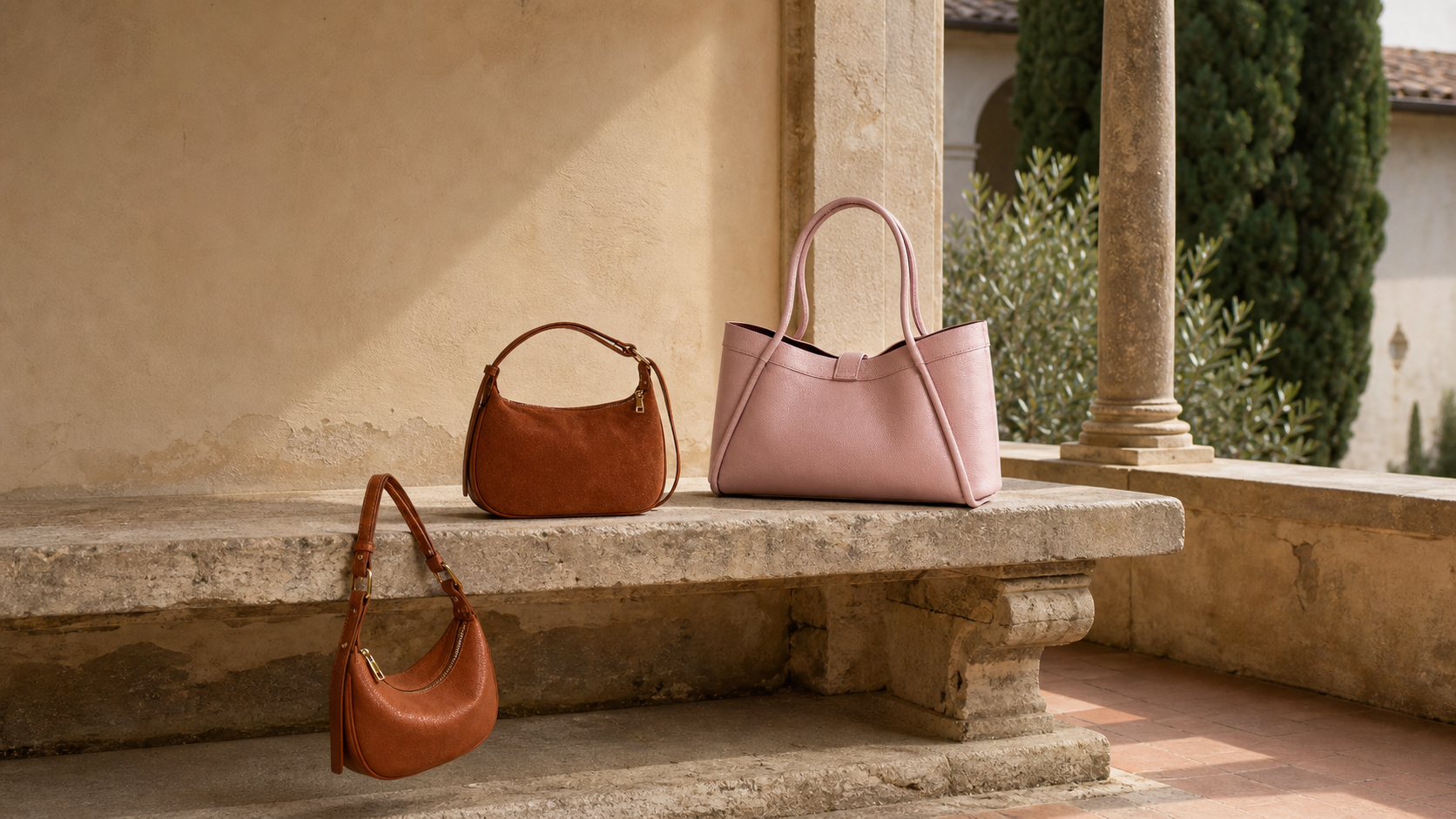 From FlorenceA form becomes a collection.
Four questions brands ask before production
Planning a Private-Label Collection
Existing models, defined projects and feasibility before sampling.
Read the guide → 02OEM vs ODM
Choose the right development model for your design, budget and launch plan.
Read the guide → 03Italian Leather Guide
Understand full-grain, vegetable-tanned and finished leathers before you specify.
Read the guide → 04Bag Manufacturing Process
See how patterns, cutting, sewing, finishing and quality control connect.
Read the guide →Turn the reading into something you can hold
Explore our existing models, or request a feasibility assessment for a defined customer project.