How MOQ works in Italian leather goods
Why production quantities depend on the full specification, not one factory number.
Minimum order quantities can be difficult to compare between suppliers because the number is shaped by several real minimums upstream of the workshop—not by a single universal rule.
What actually sets the MOQ
- Leather. Tanneries sell hides by lot, and a specific colour-and-leather combination often has its own minimum. Order two colours and you’ve effectively doubled the leather minimum.
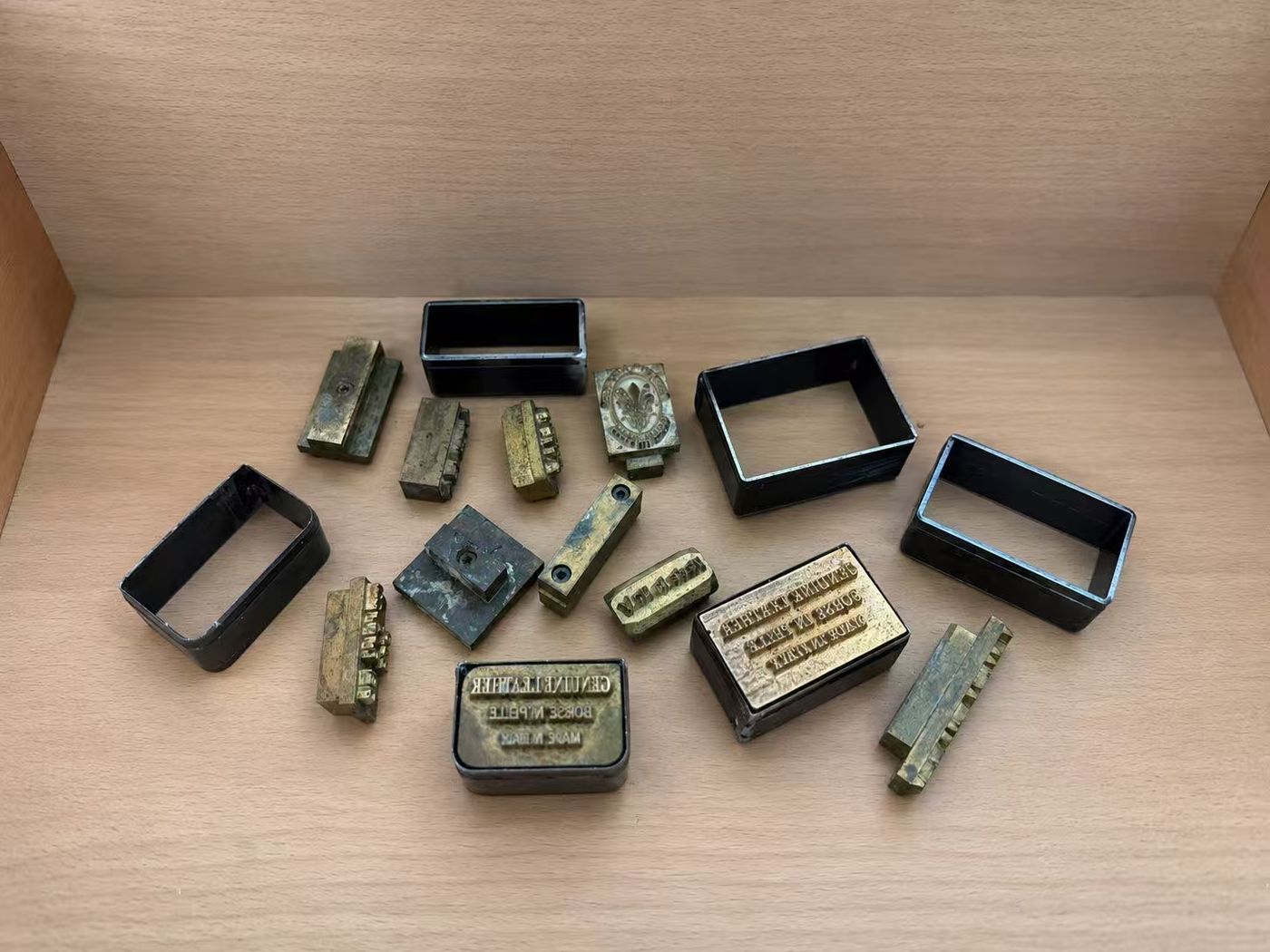
- Hardware. Custom or logo-engraved hardware requires moulds and plating runs with their own minimums. Stock hardware is far more flexible.
- Lining & components. Branded linings, zips, and trims are bought in rolls and batches.
- Setup cost. Pattern-making, cutting preparation and machine setup are largely fixed. The production structure needs enough volume to allocate those costs responsibly.
Why it’s usually “per colour and leather”
One point brands often miss is that a minimum may apply per colour-and-leather combination, not across the whole range. Consolidating a launch into fewer combinations is therefore one of the clearest ways to make production more efficient.
How to work with it
- Start with fewer colourways and stock hardware for your first run.
- Use the model library to share development costs across clients.
- Use the approved sample to resolve the product before committing to the planned production volume.
- Share a complete commercial brief. The model, materials, colourways and total volume determine what production structure is realistic.
MOQ is a function of upstream choices. A complete brief lets the manufacturer identify a production structure that is commercially and technically realistic.
Start with an existing development
Put the detail into practice
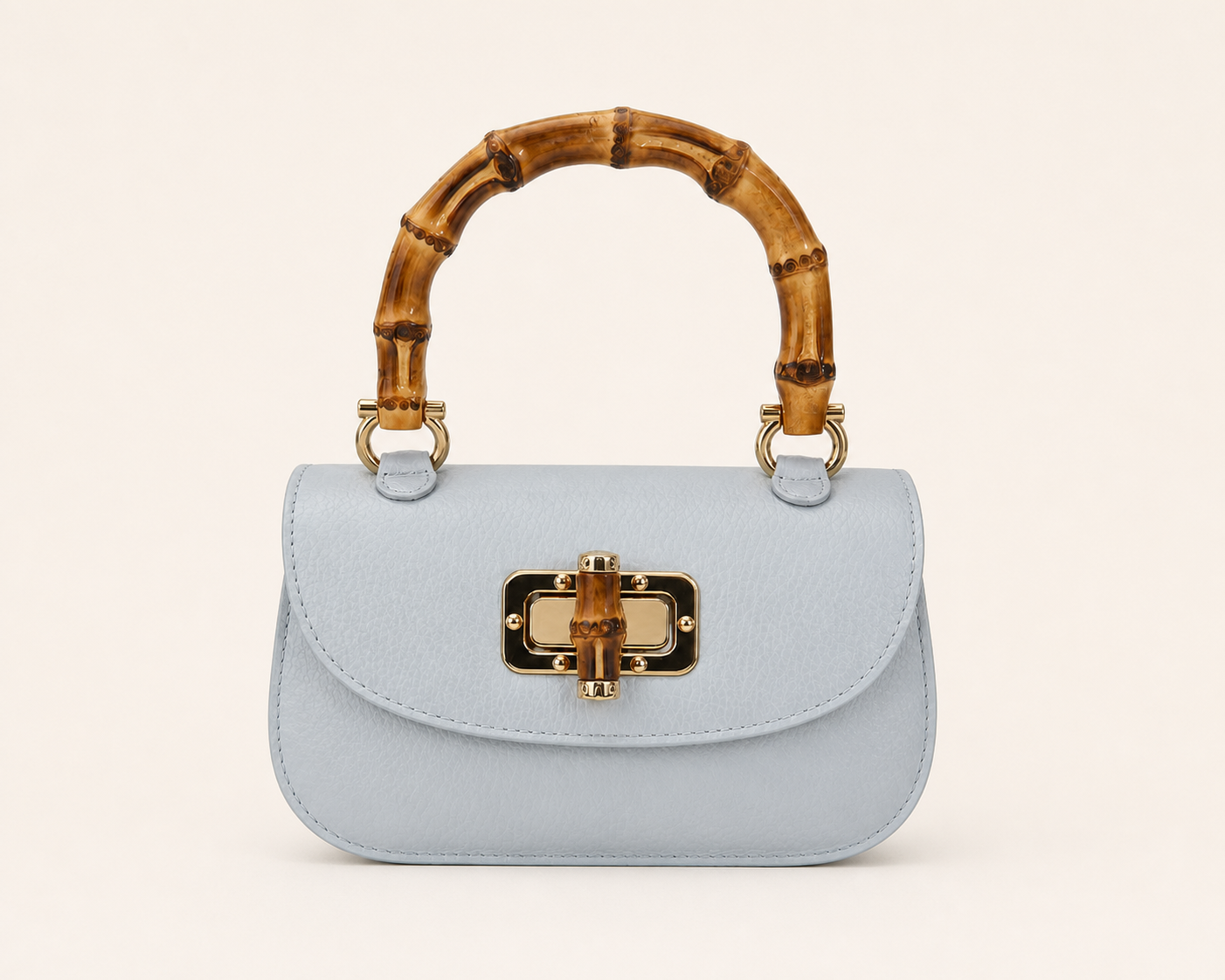
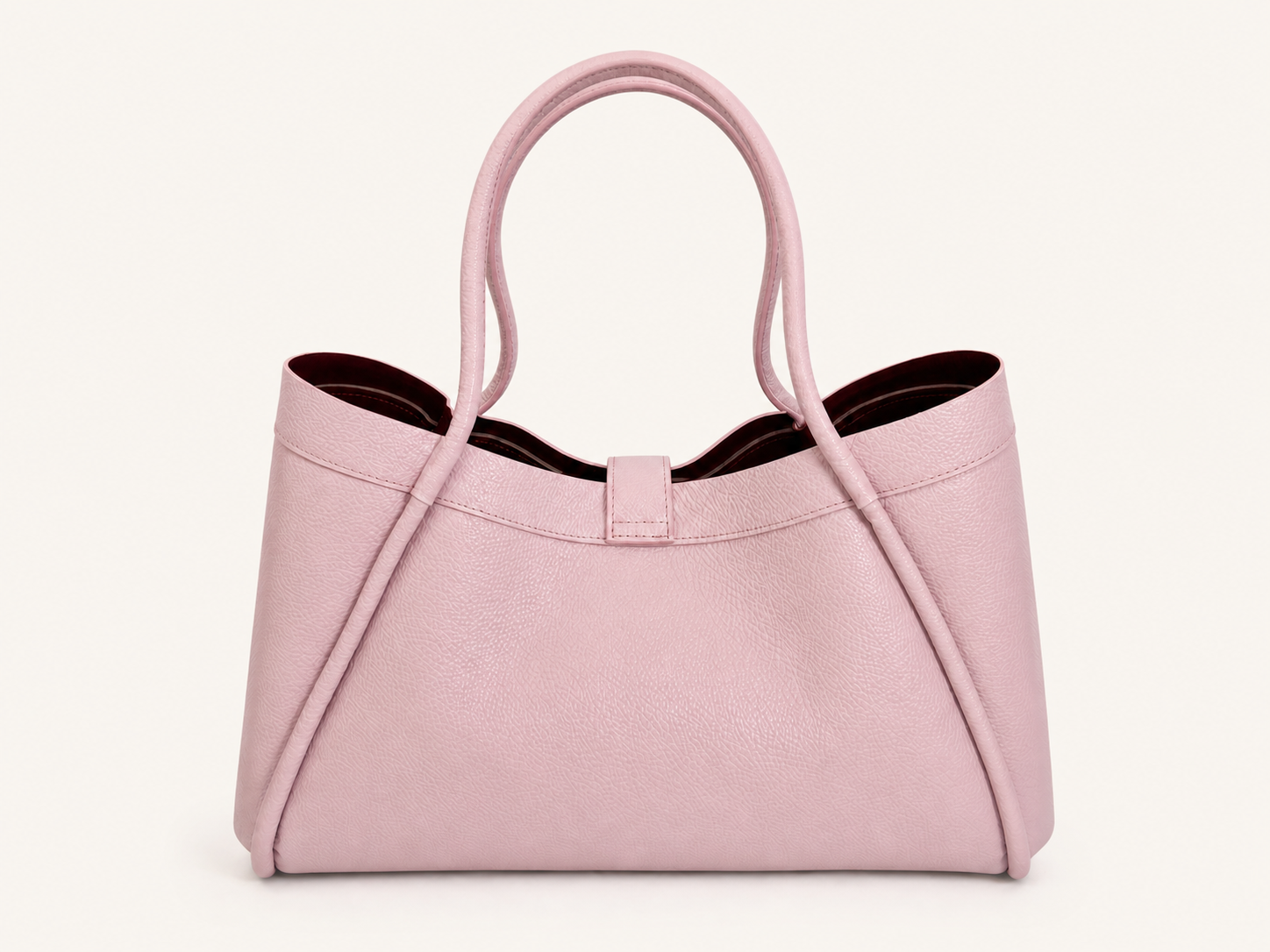
Choose an existing FRAYDA model, or tell us about your defined design and production plan for a feasibility assessment.