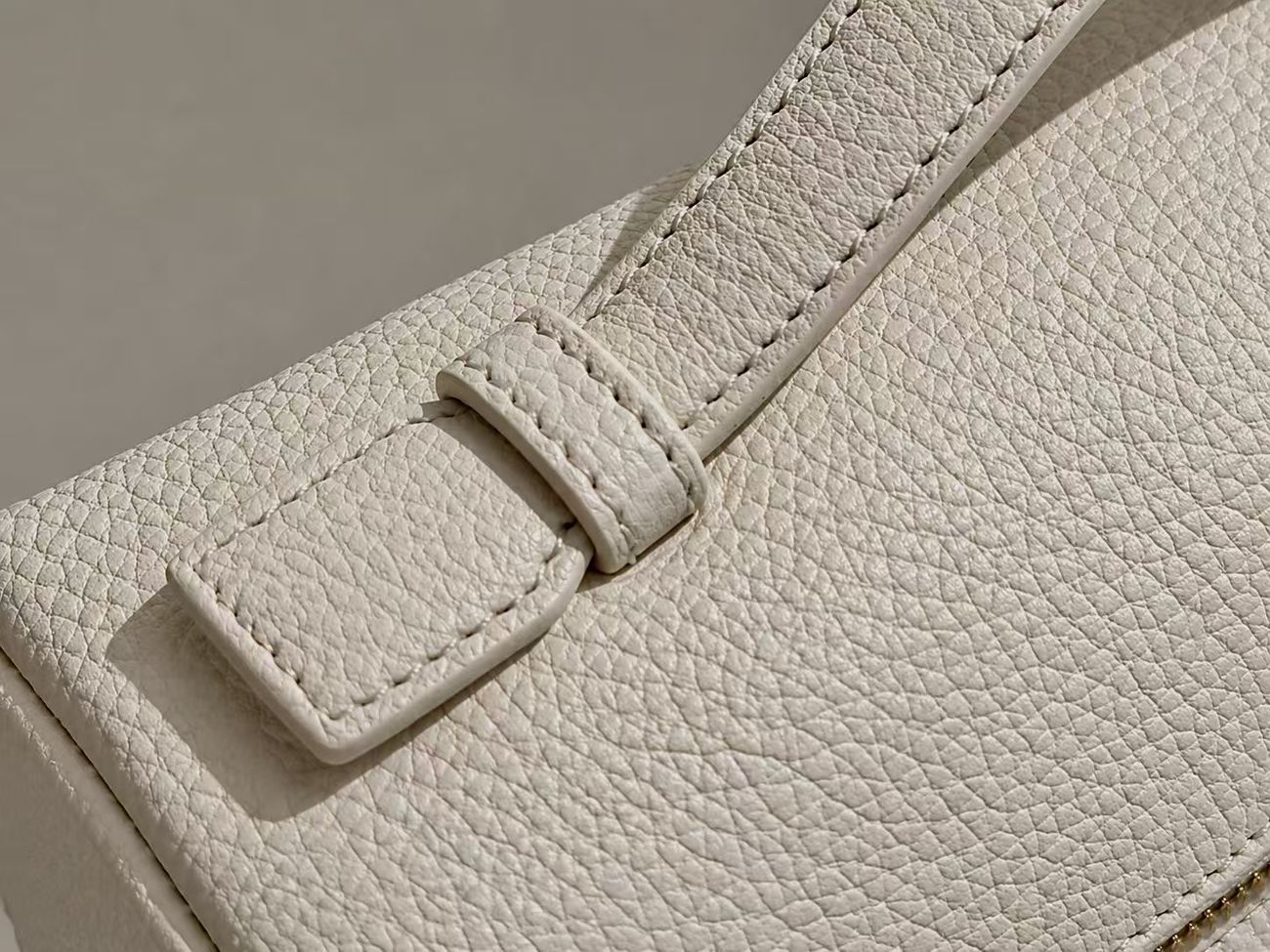
Edge painting: the invisible detail
Why the edge of a leather bag tells you more about its maker than the logo.
Pick up a leather bag and run your thumb along the cut edge of a strap. That edge is one of the most honest quality signals a bag has — harder to fake than stitching, and impossible to hide.
Two ways to finish an edge
- Painted (raw) edges — the cut edge is sealed and built up with multiple layers of edge paint, sanded and polished between coats. Clean, modern, and common on structured leather goods.
- Turned (folded) edges — the leather is skived thin and folded over itself, hiding the raw edge entirely. Softer, more traditional, more labour-intensive.
Why painted edges are revealing
A proper painted edge is built, not just coated. The edge is sanded smooth, a base layer applied, sanded again, then several more layers of paint — each dried, sanded, and polished. A well-finished edge is rounded, even, glassy, and continuous. A rushed one is thin, cracks at the corners, and chips with use.
Because the process is slow and almost entirely manual, the edge is where corners get cut when a maker is under pressure. That’s exactly why it’s worth inspecting.
What to ask for
In a brief, specify edge treatment (painted vs. turned), edge colour (matching or contrasting), and the number of coats if you have a preference. On samples, check the corners and the points where straps meet the body — that’s where edges are tested hardest.
The logo tells you what a brand wants to say. The edge tells you how much care went into saying it.
Start with an existing development
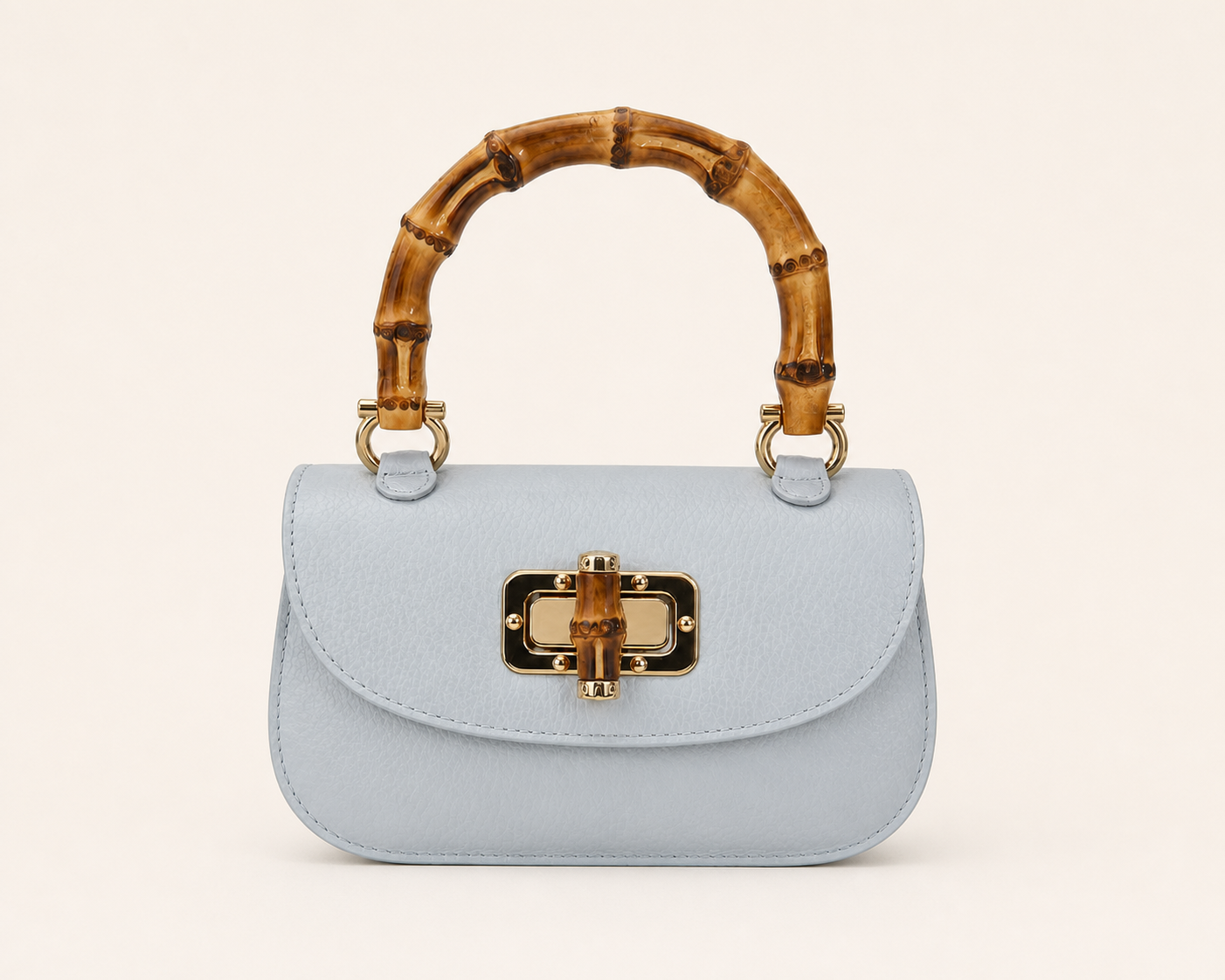
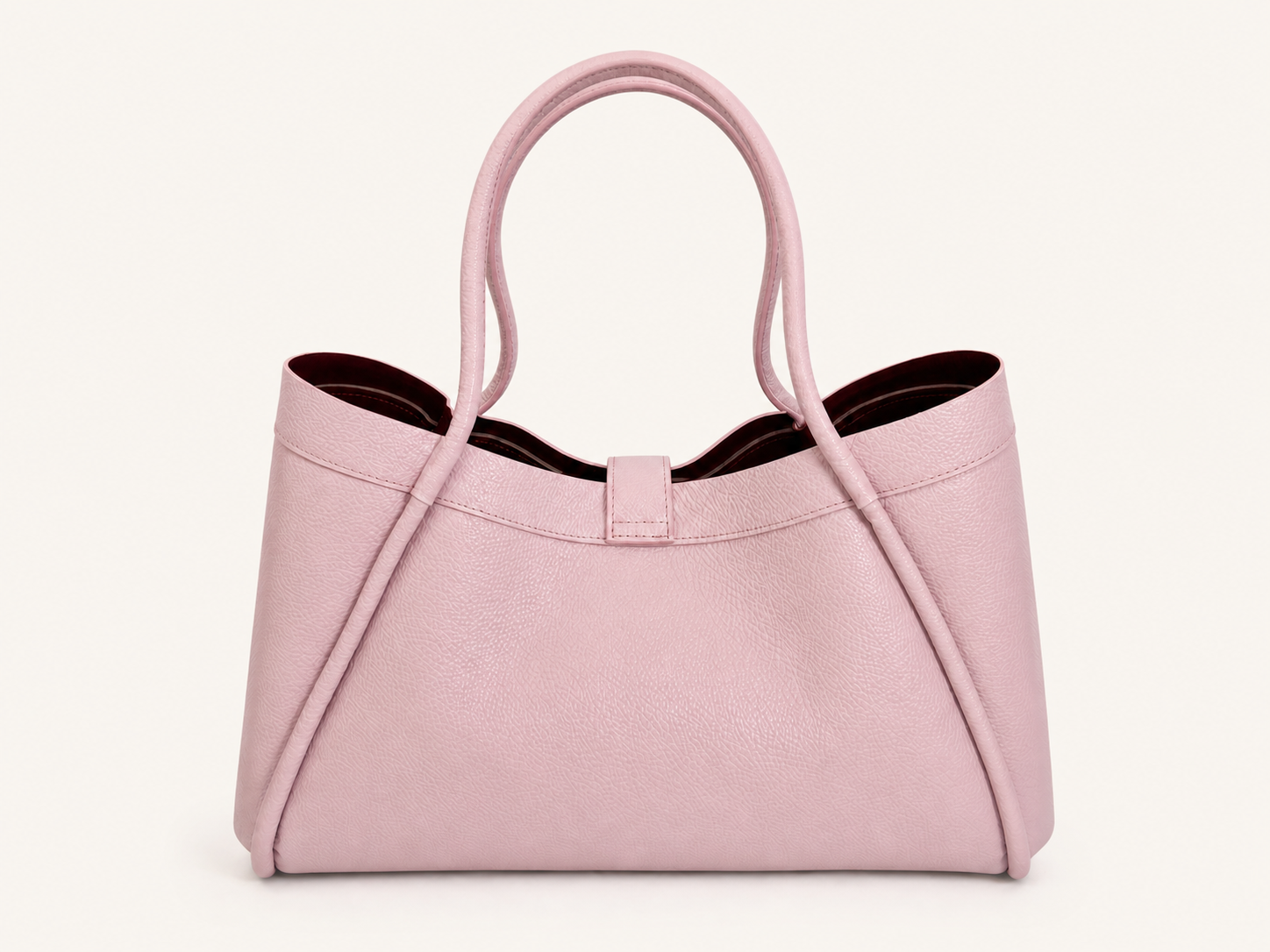
Put the detail into practice
Choose an existing FRAYDA model, or tell us about your defined design and production plan for a feasibility assessment.