The difference lives in the decisions.
Craft is not one decorative gesture. It is a sequence of precise choices—from reading the hide to rejecting a finish that falls short.
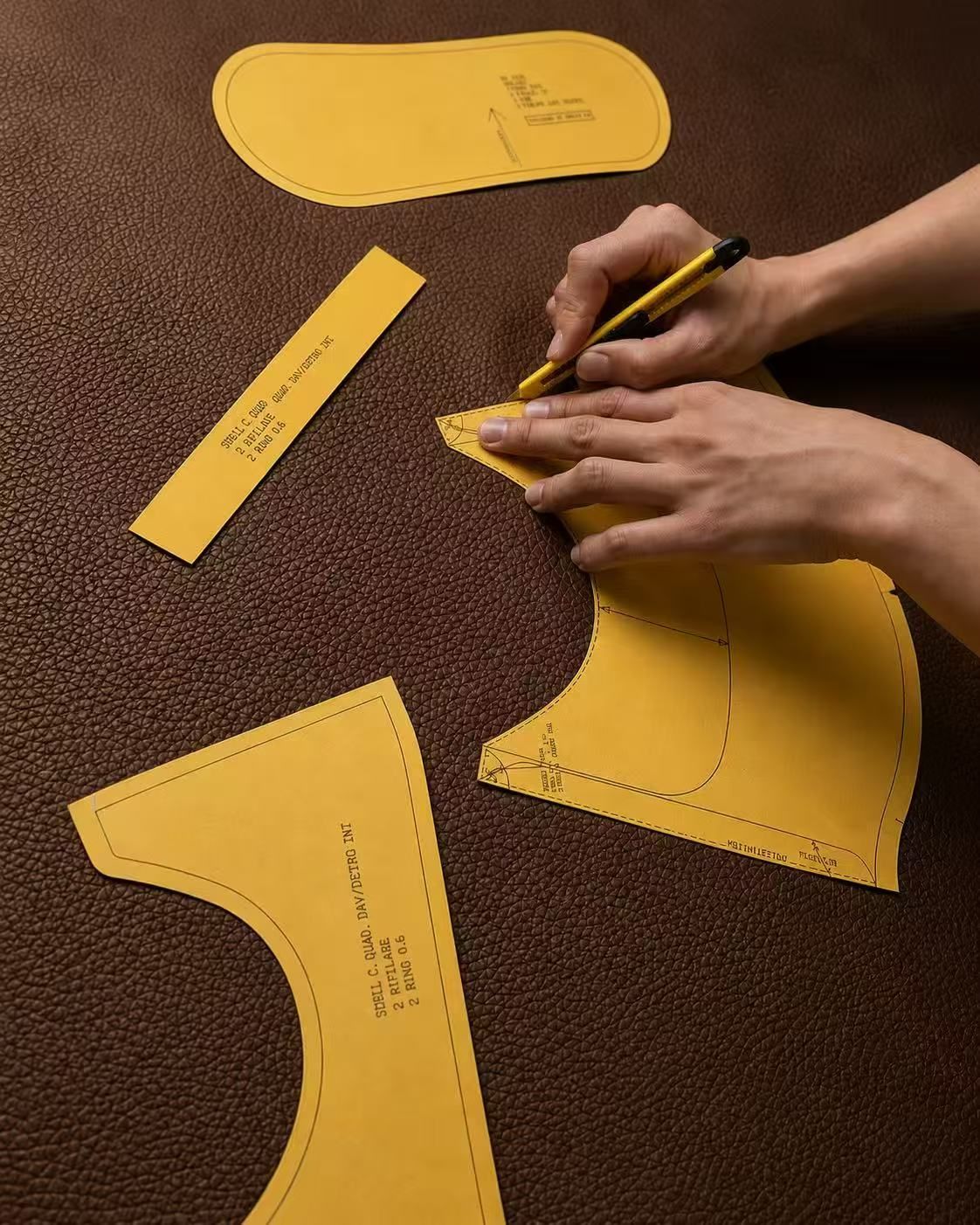
Cutting
A skilled cutter reads the hide before touching a blade — mapping grain direction, identifying natural marks, and placing pattern pieces to maximise both quality and yield. In our atelier, cutting is the first act of design.
Stitching
We stitch with calibrated tension for each leather type. Thicker hides require wider spacing; softer leathers demand a lighter hand. The stitch line is not decoration — it is structure.
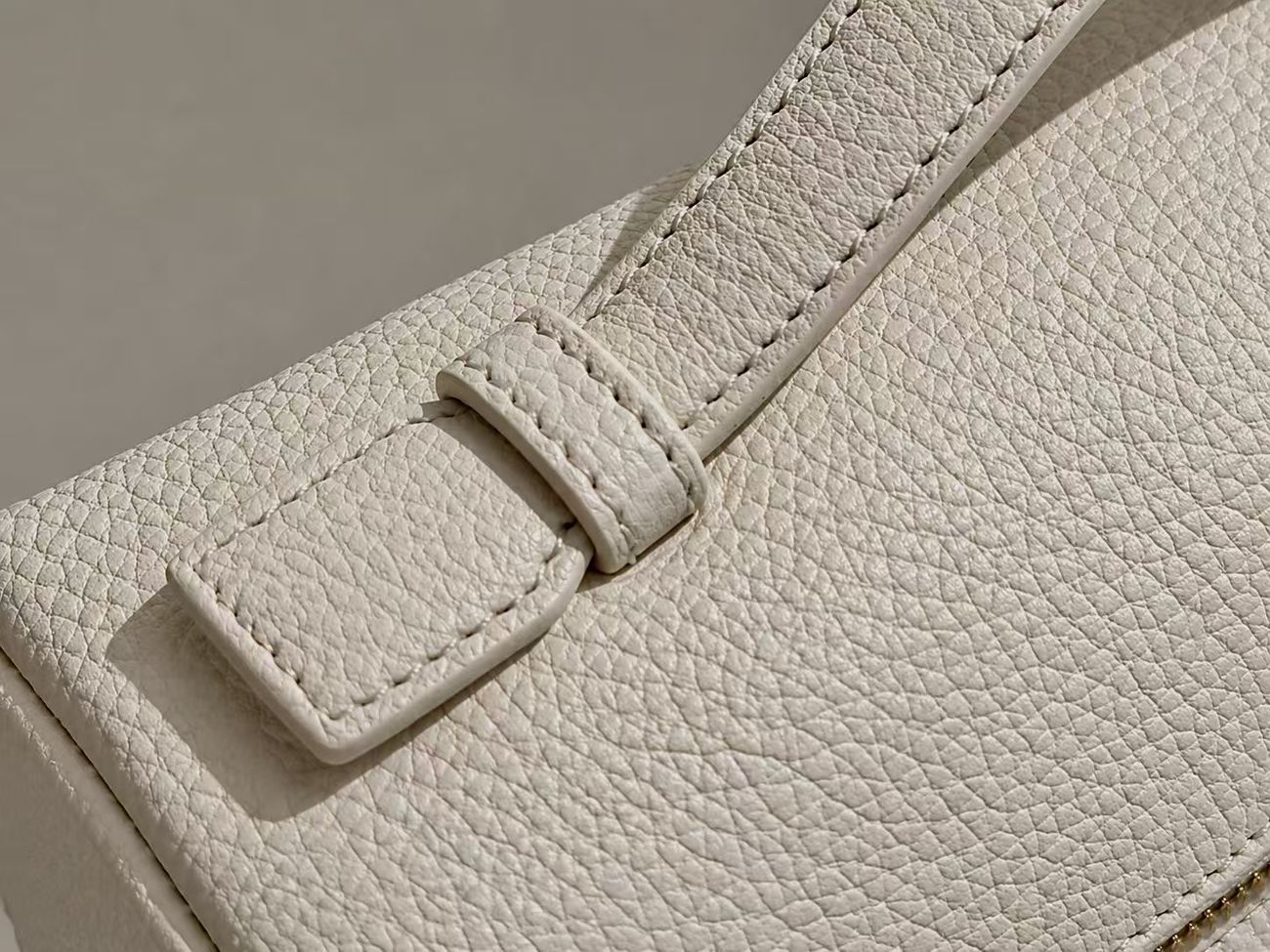
Edge Painting
Edges are built, not just coated. Multiple layers of edge paint are applied, sanded smooth, sealed, and polished. A properly finished edge is invisible — you notice only when it is absent.
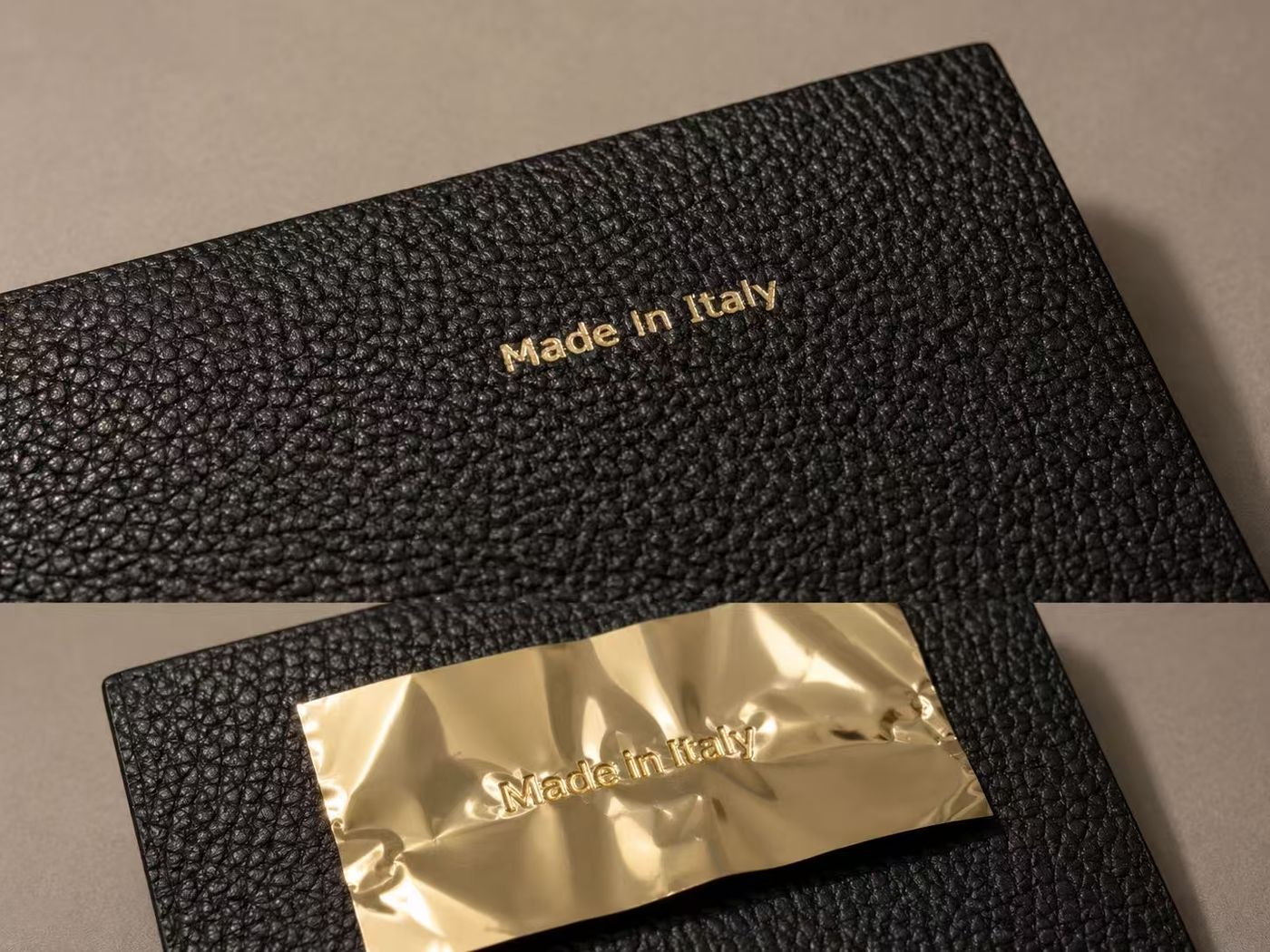
Finishing
Before a bag leaves the atelier, every surface is inspected. Hardware alignment, zipper action, lining lay, symmetry, and function. The final act of craftsmanship is the willingness to reject what falls short.
We write about leather and craft in our journal — material guides, process notes, and industry essays for buyers and designers.
Read the journal →See the difference up close.
Visit the showroom to compare samples, leathers and finishes with the people who will develop your product.